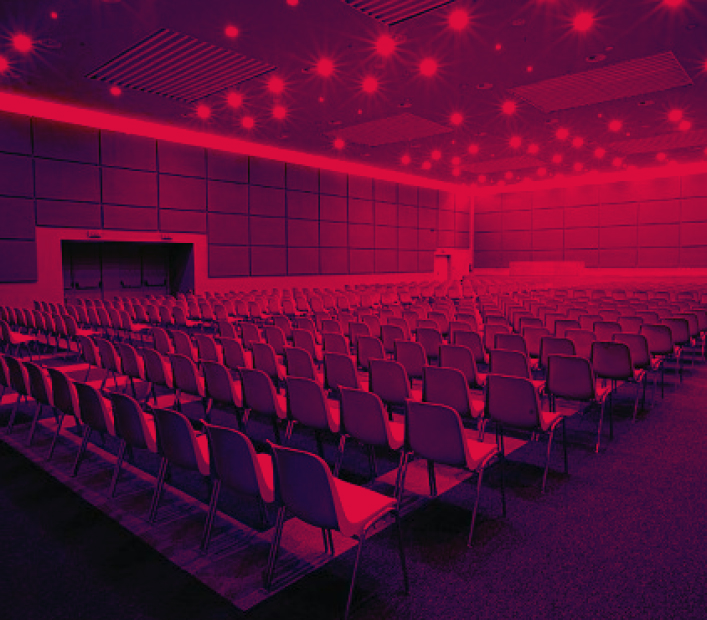
Noise Measurements with Acoustic Camera
Noise measurements using an acoustic camera represent one of the most advanced and reliable methods for noise analysis and sound insulation assessment in buildings and industrial facilities. ALPHA Acoustiki utilizes acoustic camera technology as a precise diagnostic tool. The objective is not simply to measure sound pressure levels, but to clearly and visually identify the exact locations from which sound is emitted or leaks.
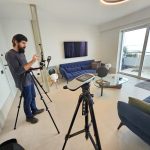
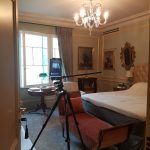
This method is ideal for the fast and accurate detection of noise sources in building elements such as windows, balcony doors, entrance doors, as well as in internal and external dry construction partitions, office partitions and meeting rooms. It is particularly effective in hotel rooms, where even minor construction imperfections may lead to significant sound insulation issues. In addition, acoustic cameras assist in identifying noise sources and potential faults in industrial environments, including machinery (e.g. pumps, chillers, generators), installations, and piping networks.
How Does Acoustic Camera Work?
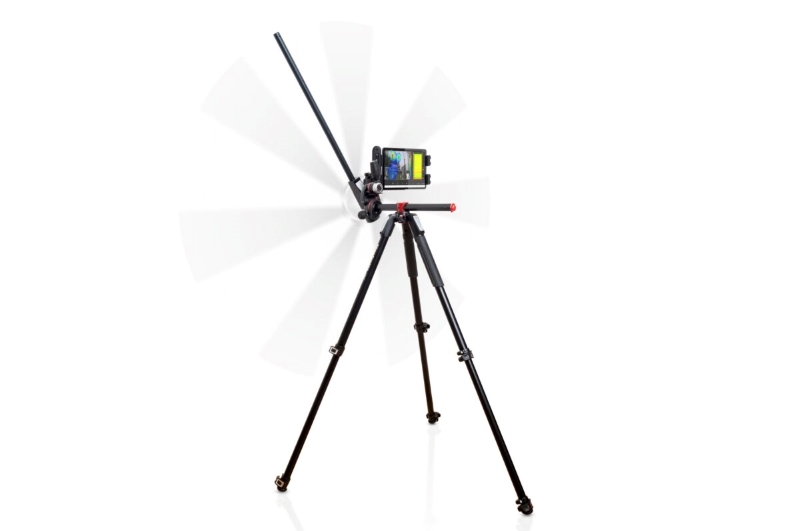
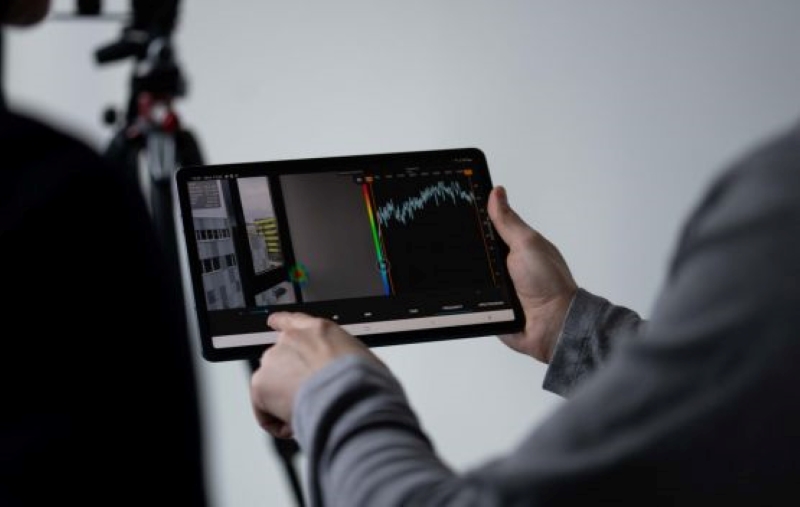
An acoustic camera is based on a multi-microphone array arranged in a specific geometric configuration, operating in combination with a high-resolution optical camera and specialized analysis software. Through advanced algorithms such as Beamforming and Coherence Scanning Holography, sound is converted into visual information, allowing the creation of acoustic maps that accurately depict the position and intensity of sound sources.
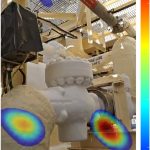
Unlike conventional noise measurements, where results are limited to a single dB value, the acoustic camera clearly shows where the sound originates from and its frequency characteristics. The system produces 2D or 3D visualizations, as well as video recordings that capture the temporal evolution of sound, making the analysis immediately understandable and fully documented.
Sound Leakage Detection with Acoustic Camera
One of the key advantages of the acoustic camera is the targeted detection of sound leakages under real operating conditions. The method allows precise identification of areas with reduced sound insulation in windows, partition walls, ceilings, floors, and lightweight building elements, without any destructive intervention.
In offices, open-plan spaces and meeting rooms, the acoustic camera clearly visualizes sound transmission paths between adjacent spaces, contributing to improved speech privacy. Similarly, in hotels and residential buildings, acoustic camera measurements provide a clear picture of the actual sound insulation performance between rooms, external environments and common areas, enabling targeted and cost-effective remedial actions.
Industrial Applications of the Acoustic Camera
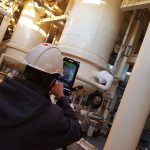
The acoustic imaging sensor is also widely used in industrial and electromechanical applications. It enables the identification and prioritization of noise sources based on the acoustic energy they emit, which is particularly valuable in production lines or facilities with multiple machines operating simultaneously.
Additionally, it is used for the rapid detection of leaks in compressed air systems, compressors, and fluid transport networks. Its role is especially important in identifying potentially defective components in mechanical equipment, particularly in complex systems with moving parts.
Measurement Methodology & Technical Specifications
Below is a concise overview of the acoustic camera measurement methodology:
- System setup & Calibration Adjustment of the system to the specific application requirements to ensure accuracy and repeatability. Calibration of microphones and sensors.
- Simultaneous sound & image recording: Measurements conducted using a reference sound source under realistic operating conditions and in accordance with international standards (e.g. ISO 10140 for building applications).
- Data analysis: On-site and immediate processing of measurements via cloud-based specialized software, generating acoustic visualizations and clearly identifying dominant noise sources and areas of reduced sound insulation. Visual inspection of critical locations where possible.
- Technical evaluation & improvement proposals: Frequency and time-domain analysis by a specialized engineering team using dedicated software. Presentation of results through a comprehensive technical report, including comparative evaluation and targeted improvement recommendations.
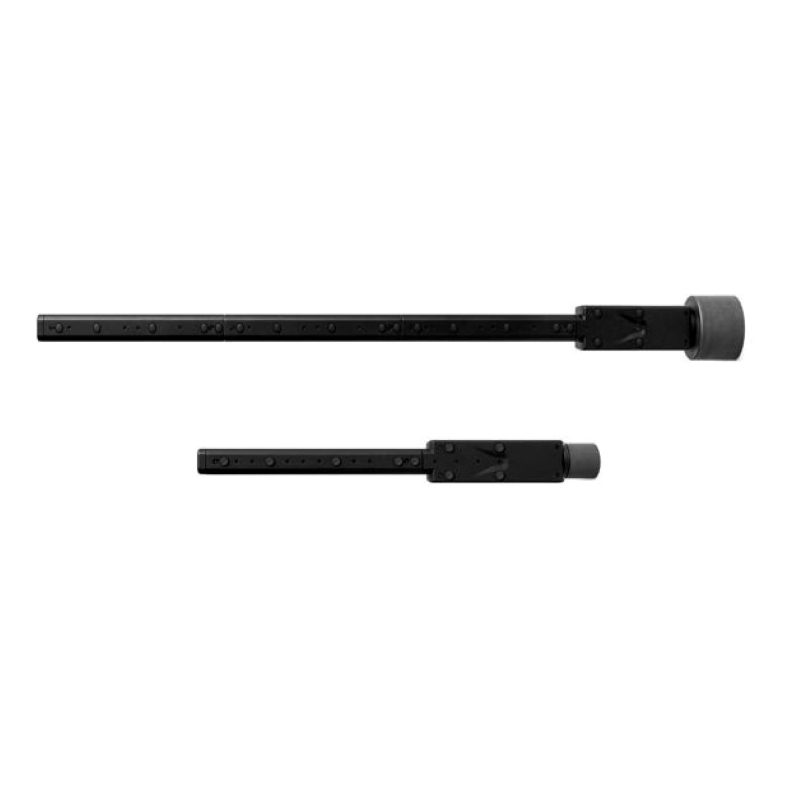
The acoustic camera system used by ALPHA Acoustiki offers frequency analysis in the range of 250 Hz – 10.5 kHz and a dynamic range greater than 13 dB, ensuring high spatial resolution and reliable results. Video recording capability is also supported.
The Sevenbel P132 & P50 acoustic camera systems, featuring more than 400 microphone acquisition positions, are used by ALPHA Acoustiki. These systems provide highly effective solutions for noise measurements, sound leakage detection, and fault diagnostics in mechanical equipment and installations.
Contact ALPHA Acoustiki for further information or to receive a tailored solution using acoustic camera technology, adapted to the specific needs of your facility.
Fast and accurate detection of sound sources
Identification of sound leakages, equipment faults and network leaks
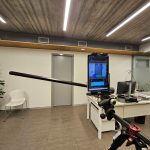
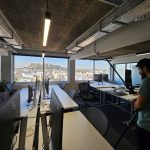
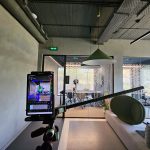
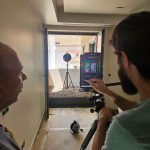
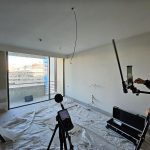
Acoustic Camera – Application
Acoustic Camera – Glass Door Leakage
Acoustic Camera – Demo
 Acoustic Studies Presentation CV
Frequently Asked Questions (FAQ) – Acoustic Camera
What is an acoustic camera and how does it differ from conventional noise measurements?
An acoustic camera goes beyond measuring sound pressure levels in dB by providing visual representations of sound. This enables precise identification of the location, intensity, and frequency behavior of noise sources or sound leakage points, which is not achievable in real time with conventional measurement methods.
Is it suitable for offices and meeting rooms?
Yes. Acoustic camera measurements are particularly effective in offices, open-plan spaces and meeting rooms, as they identify sound transmission paths through doors, glass partitions and walls. This improves speech privacy and overall workplace acoustic quality.
Is the acoustic camera used in hotels and residential buildings?
Yes. Acoustic cameras are frequently used in hotels and residential buildings to assess sound insulation between rooms, corridors, outdoor environments and common areas. They provide clear insight into the actual acoustic performance of windows, doors and walls, enabling targeted interventions without unnecessary construction work.
What are the advantages of acoustic camera measurements?
The process is straightforward and causes minimal disruption to building operation. Acoustic camera measurements allow faster understanding and localization of problems, significantly reducing total measurement time, which typically does not exceed two hours. At the same time, they provide accurate and visually documented diagnostics, enabling testing and validation of targeted interventions without unnecessary cost.
Can an acoustic camera be used in industrial applications?
Yes. Acoustic cameras are extensively used in industry to identify noise sources, equipment faults, and leaks in compressed air systems or fluid networks, contributing to noise reduction and improved operational safety.
When should I choose an acoustic camera inspection?
An acoustic camera inspection is recommended when a noise or sound insulation issue exists with an unclear cause, when technical or contractual documentation is required, or when fast and reliable diagnosis is needed prior to any construction or corrective intervention.